
Authors: Nina Youssoufou, Head of Policy; Shreyas Parkhie; SynBio Policy Associate
When it comes to plant synthetic biology, new techniques are emerging at a fast pace. The governance of genetically modified (GM) plants in Europe, by contrast, is long-standing. In this post, we explore how this domain is shaped by a wide body of international, EU and national rules on what can reach fields and markets.
In this piece, we:
present four new synthetic biology techniques applied to plants
outline the main policy frameworks already in force in Europe, and how they might impact people working in the area
point out the tensions and grey areas that remain
share our own reading of how these techniques could challenge the current rules.
We welcome comments and further discussion on this topic. If you would like to know more about this field, visit our website and LinkedIn page, where you can register for our upcoming online seminars on innovation in synthetic biology.
Part 1: Emerging Technologies
Plant synthetic biology is often described as a single field, but in regulatory terms it is not the case. Some of the techniques produce plants that European law can already classify, and some produce plants that don’t fall under any of its categories…yet. The four examples below were chosen to show both situations.
Chimeric regulators: Opening more varieties to engineering
For three decades, whether a crop could be engineered depended on the variety. Elite cultivars, the ones farmers currently use, generally refuse to regenerate in tissue culture. Work was therefore confined to a handful of laboratory lines, and moving a trait from those into a commercial variety took years of crossing.
One promising solution is a chimeric protein. Juan Debernardi and Jorge Dubcovsky at UC Davis, with Javier Palatnik at the Institute of Molecular and Cell Biology of Rosario, fused the wheat growth-regulating factor GRF4 to its cofactor GIF1 (Debernardi et al. 2020). The fusion increased both regeneration speed and efficiency, widened the range of transformable genotypes, and worked without added cytokinins. In simple terms, the GRF4-GIF1 protein allows modified plant tissue to regenerate into a whole plant. A larger number of plant varieties, including those cultivated by farmers, can thus be engineered directly. Sadiye Hayta, then in Wendy Harwood’s laboratory at the John Innes Centre, was a co-author and subsequently integrated the technology into her own wheat platform. (Hayta et al. 2026)
Here, the chimeric regulatory factor acts as a tool to allow regeneration and transformation of plants without the use of any external factor. They can be delivered transiently, or removed in the progeny, so the finished plant doesn’t need to carry any trace of them.

Genetically modified corn
(Credit: Keith Weller, U.S. Department of Agriculture).
AI-designed regulatory elements: An alternative to inter-species promoters
A promoter sequence largely determines the location and amounts of genes expressed. Traditionally, bio-engineers borrow whichever promoters were known to work in a given organism. Tobias Jores, with Josh Cuperus, Stanley Fields and Christine Queitsch at the Department of Genome Sciences, University of Washington, took a different approach to this. Using a massively parallel reporter assay, they measured the activity of nearly complete sets of core promoters from Arabidopsis, maize and sorghum. Neural network models trained on that data were then used for in silico evolution, and the resulting synthetic promoters were tested in tobacco leaves and maize protoplasts. Their strongest synthetic promoter matched the minimal 35S promoter, considered a standard promoter in plant biotechnology (Jores et al. 2021).
The same models can be applied two ways. They can point to which bases in a plant’s existing promoter to change, or they can generate a new sequence to optimize expression of any gene. This gives scientists a broader array of tools to engineer non-model plant species.
Synthetic gene circuits: Conditional expression
A gene circuit senses an input, processes it through Boolean logic, and produces an output in a live cell. These genetic circuits can be wired to have conditional expression in plant tissues and under conditions where a trait is useful.This is in contrast to how current GM crops work.
James Lloyd and Ryan Lister at the University of Western Australia reported recombinase-based memory circuits in 2022, with a full set of logic gates in plants and the capacity to record that a stimulus had occurred (Lloyd et al. 2022). The same group published plant CRISPRi-based logic gates in 2025 (Khan et al. 2025). Jennifer Brophy, working with José Dinneny, designed synthetic transcriptional regulators and genetic logic gates to alter root architecture predictably in 2022 (Brophy et al. 2022).
With these genetic engineering tools, biologists can engineer complex pathways and use external stimuli like sunlight as inducers to give plants a specific phenotype and alter it conditionally.
Microbe-to-plant signalling: Building a synthetic communication channel
Alice Boo and Tyler Toth in Chris Voigt’s Lab built a synthetic communication channel between soil bacteria and plants in 2024 (Boo et al. 2024). Engineered Pseudomonas putida and Klebsiella pneumoniae produce p-coumaroyl-homoserine lactone (pC-HSL), a quorum signal otherwise made by a single bacterium. A receiver circuit in Arabidopsis and potato roots detects the molecule and activates gene expression. The system is modular, i.e., changing the bacterium changes the stimulus the plant responds to, like aTc, IPTG, or even arsenic. A 2026 preprint extended the approach to sentinel plants that convert belowground microbial activity into a visible aboveground signal, which has applications in soil monitoring and precision agriculture (Demirer et al. 2026).
Engineering natural microbe-plant interactions allows researchers to tap into and create synthetic channels of communication, which can be used to build a healthy and engineered microbiome for plants. This technology’s utility will grow as biologists explore more applications for it and couple the communication channels to functions in plants.
Part 2: What Already Applies
In Recital 4 of Regulation (EU) 2026/1388, research on new genomic techniques includes plants more resistant to diseases and pests, more tolerant of the effects of climate change, and more efficient in their use of water and nutrients, which could deliver benefits to farmers, consumers and the environment. These techniques also raise multifactorial questions: containment, dual-use risks, traceability along commercial supply chains, export controls, and the public’s need for transparency and accountability. The rules below answer these questions in different ways.
Regulation (EU) 2026/1388 is Europe’s new frame for plant breeding
Adopted on 17 June 2026, Regulation (EU) 2026/1388, often called the NGT Regulation, is the first EU law written specifically for plants obtained by new genomic techniques. Most of its provisions apply from 17 July 2028, a delay meant to allow the delegated and implementing acts to be adopted. The text covers plants obtained by targeted mutagenesis or cisgenesis plus food, feed and other products made from them. Transgenic plants, animals and micro-organisms fall outside its scope and remain under the existing GMO rules.
The Regulation sorts NGT plants into two categories, each with its own legal regime. A plant belongs to Category 1 if it meets the “criteria of equivalence to conventional plants” set out in Annex I and carries none of the traits listed in Annex II, and so does its progeny if no further modification is made. Annex I works through numerical limits: for targeted mutagenesis, substitutions or insertions of up to 20 nucleotides, and no more than three modifications per protein-coding sequence, a limit that does not cover changes in introns and regulatory sequences, promoters among them. In any case, a plant may carry no more than 20 modifications per monoploid genome. Annex II lists two excluded traits: herbicide tolerance and the production of a known insecticidal substance. These criteria are not fixed: under Article 5(3) the Commission may amend Annex I to follow scientific and technological progress. Category 2, defined in Article 3(14) as “an NGT plant other than a category 1 NGT plant”, covers all the others.
The two categories lead to very different regulatory routes. A Category 2 plant goes through GMO authorisation, with some rules tailored to it. It needs an EFSA opinion, a vote of Member States and a detection method, a requirement that can be adapted when the applicant shows that one is not feasible. For GM crops, a 2023 meta-analysis of 49 published estimates, covering maize, soybean and cotton in 13 countries including the EU, puts the average direct cost of regulatory compliance for one trait in one market at USD 7.8 million. This covers molecular and safety studies, field trials, dossier preparation and fees, and draws mostly on studies published in the mid-2000s. A Category 1 plant only needs its status verified, by a national authority before a field trial or by EFSA before marketing. It then follows the same variety testing as a conventional plant. It still appears in a public database, its seed and other reproductive material carry the “NGT-1” label, and it cannot be used in organic farming.
The EU framework it was built on
Directive 2001/18/EC has set the baseline since 2001. It governs the deliberate release of GMOs into the environment: a field trial requires the consent of a national authority, and placing a GMO on the market requires an authorisation valid across the EU, both after an environmental risk assessment. In 2003, Regulations 1829/2003 and 1830/2003 added food and feed authorisation, traceability and labelling. Regulation 1946/2003 handles transboundary movements. A few years later, Directive 2009/41/EC , which recasts a 1990 directive, covers the contained use of genetically modified micro-organisms, while contained work on GM plants follows national rules. Directive 2015/412 then let each Member State ban GMO cultivation at national level, irrespectively of the European approval. The 2026 Regulation keeps that opt-out for Category 2 plants.
The Regulation grew out of a French case. A farmers’ union and eight associations challenged France’s exemption of mutagenesis from GMO law, and the Conseil d’État asked the Court of Justice for its reading. In Case C-528/16 (2018), the Court ruled that only techniques that “have conventionally been used in a number of applications and have a long safety record” stay exempt. Gene editing therefore falls under full GMO authorisation until July 2028. At the Council’s request, the Commission then concluded in 2021 that GMO law was “not fit for the purpose” for such plants. In 2023, in Case C-688/21, the Court added that random mutagenesis applied in vitro stays exempt when the technique has a long safety record on whole plants.
The international layer
Three international texts have framed the field since 2000.
Cartagena Protocol on Biosafety (2000, in force 2003). Adopted under the Convention on Biological Diversity, it now has 173 Parties, including the EU. Before a living modified organism is first shipped for release into its environment, an importing country must give its advance informed agreement. Countries share these decisions through the Biosafety Clearing-House, run by the Convention’s Secretariat.
Nagoya Protocol (2010). It governs access to genetic resources and the sharing of benefits. The EU applies it through Regulation 511/2014, which places due diligence duties directly on users, so material from a foreign collection brings paperwork from the start.
CBD Decision XIII/17 (2016). A non-binding decision adopted by the Convention’s Parties in Cancún. It reaffirms the call for a precautionary approach, and notes that the synthetic organisms developed so far are similar to the living modified organisms covered by Cartagena. An operational definition has been written as “a further development and new dimension of modern biotechnology that combines science, technology and engineering to facilitate and accelerate the understanding, design, redesign, manufacture and/or modification of genetic materials, living organisms and biological systems”.
European countries: Different routes to governing GM plants
European countries have been legislating here for more than thirty years, sometimes ahead of Brussels and sometimes following completely different approaches. New technologies, artificial intelligence among them, and the Union’s renewed ambitions for biotechnology offer national governments new political momentum. Here are a few examples of national regulatory initiatives.
Norway, Gene Technology Act (1993). Adopted just before Norway joined the European Economic Area, this text is still in force. It requires GMOs to be used “in an ethically justifiable and socially acceptable manner”, and weighs whether each release “will be of benefit to society”. A 2025 amendment eased these criteria for research.
Italy, Law 68/2023. The Italian case shows the back-and-forth between national and EU rules. Italy excluded GM maize from its fields in 2015, then, amid a severe drought in 2023, opened NGT field trials “pending” EU rules, with unanimous support in Senate committees. About twenty authorised trials now appear in the ministry’s public register, and in April 2026 Italy voted for the EU Regulation. For a fuller account, see the Chamber of Deputies’ research dossier.
England, Precision Breeding Regulations (2025). In force since 13 November 2025 for plants. Since leaving the EU, England no longer follows its GMO rules on this point: the Precision Breeding Act 2023 created a separate regime for qualifying gene-edited plants, outside GMO law. Meanwhile, London’s negotiations with Brussels on an agri-food agreement are still in motion. Under this agreement, the UK would largely follow EU agri-food rules again, while the government intends to keep England an open ground, under national rules, for field trials of plants developed through biotechnology.
Part 3: What Policies Have Not Been Settled Yet
The paradox of the plant synthetic biology field is that the more precise the technique becomes, the harder it is to fit into the categories the law uses. Over three decades of GMO regulation, some jurisdictions have reached the same products by different legal routes, and a geopolitical turn that treats biology as a strategic asset now puts a new kind of pressure on policymakers.
Questions remain on the points below: what exactly is being regulated, how to detect it, who owns the traits, and how security concerns are changing the field.
GMO, NGT or neither: When words shape the legal route
The same edited plant can be a GMO, an NGT plant, a living modified organism or a precision bred organism, depending on the text and the jurisdiction. To learn more about how EU law sorts plants by technique, see Molitorisová and Hubar-Kołodziejczyk in Verfassungsblog.
Detection is the real bottleneck: On traceability and enforcement
Detection is a long-standing weak point in biosecurity, and edited plants are no exception: in 2019 the European Network of GMO Laboratories found that no technique it reviewed could tell whether a small DNA change came from genome editing.
Intellectual property: Owning an edited trait
Patents on NGT plants survived the December 2025 compromise brokered by the Danish presidency, which added public disclosure of known patents in the Commission’s database. To learn more about the risks the legislators themselves listed, see Article 31 of the Regulation.
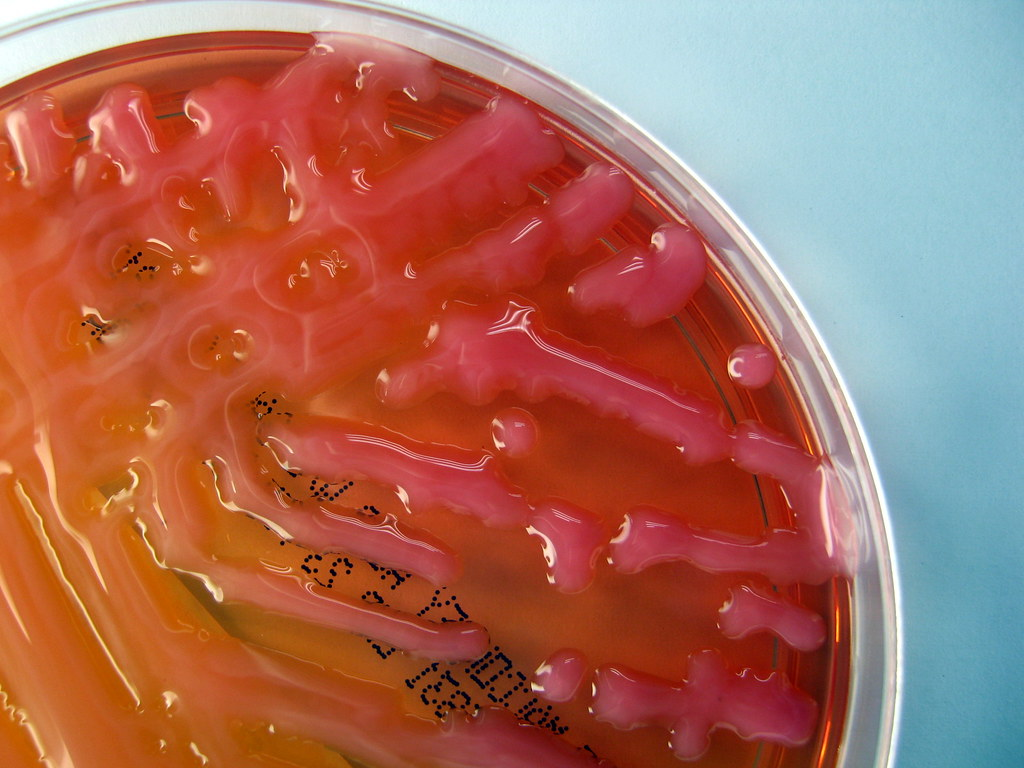
Mucoid Klebsiella pneumoniae (Credit: flickr.com).
From lab bench to national security: From geopolitical considerations to dual-use research
In the United States, biotechnology has been recast as a strategic asset: the chair of the National Security Commission on Emerging Biotechnology told Congress it is “now an imperative for national security, economic power, and global influence”. Funding follows, and so does closer attention to dual use. The EU already controls exports of such items, technology included, under Regulation (EU) 2021/821. As security concerns rise everywhere, Mampuys and Sheikh in EMBO Reports warn that they make it harder for scientists to collaborate internationally and to stay compliant.
What will come next
In European institutions, three files are currently under way: the Biotech Act for health proposed in December 2025, a second one in preparation for agriculture and industry, and a proposed low-risk category for genetically modified micro-organisms. Ahead of COP17, which closes on 30 October, the Council of the EU recognised “the need for adequate monitoring and assessment including in the area of artificial intelligence and computational biology”. Regulation 2026/1388 applies from July 2028. Stay tuned!
Part 4: Testing the Law Against Four Cases
In this part, we test our reading of current EU law against the techniques now emerging in laboratories. The readings are ours, and we are always open to challenging ideas.
Editing an elite wheat variety
Imagine a team knocking out a susceptibility gene in an elite wheat variety, with a morphogenic regulator delivered alongside the editing construct and crossed out afterwards. The edit itself would likely stay within the limits that Annex I of Regulation 2026/1388 sets for Category 1. The Regulation’s definition of an NGT plant (Article 3(9)), however, requires that no material from outside the breeders’ gene pool remain, including material “temporarily inserted during the development of that plant”. How would the team prove that absence? The Commission is preparing the delegated and implementing acts that will set this standard, and gathered feedback on them until 28 September 2026. The Regulation applies from 17 July 2028, so experiments designed today may be assessed against a standard written afterwards.
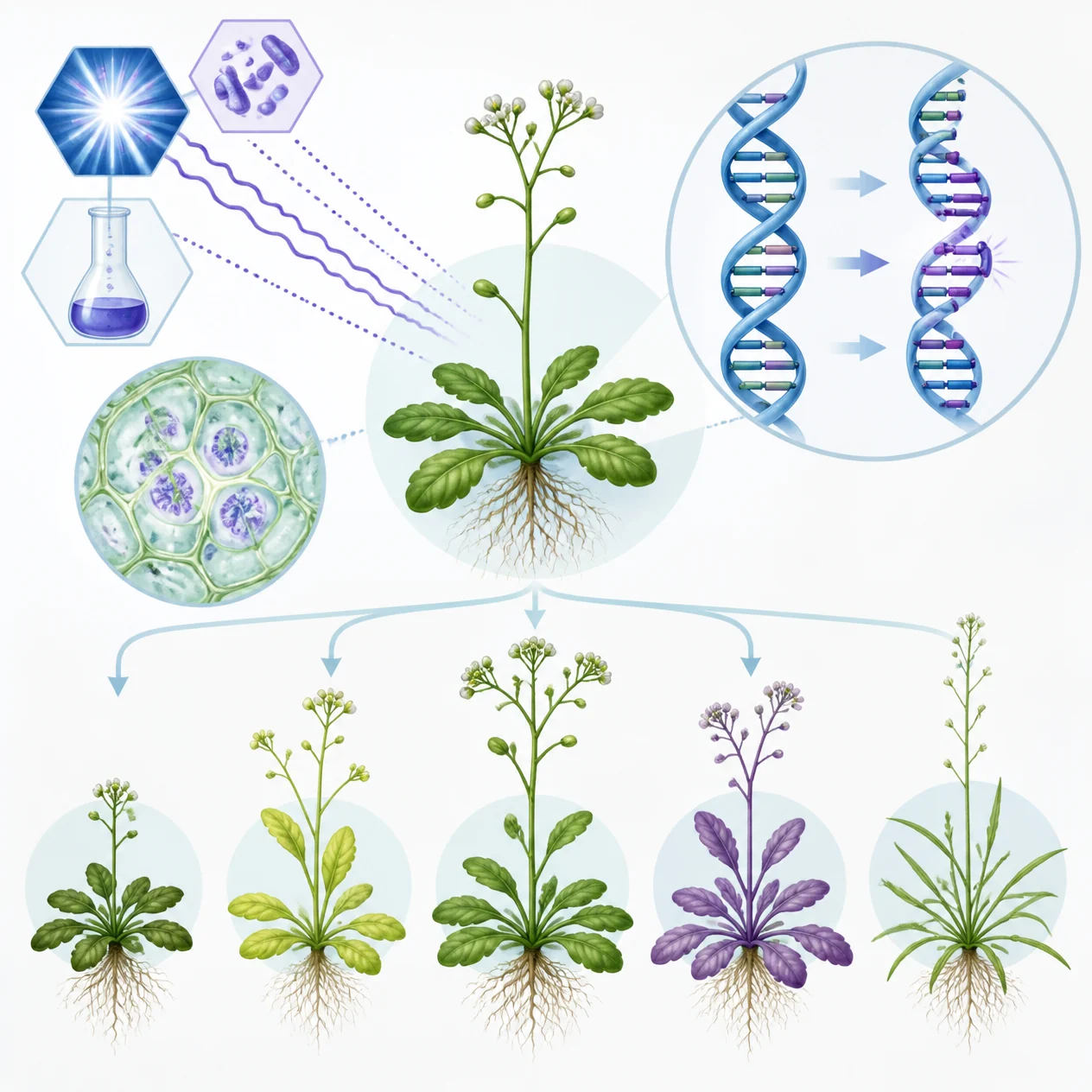
Credit: Image generated in Canva.
Choosing between an edited promoter and a designed one
Now, suppose a team wants to change how strongly a gene is expressed. Two routes to the same functional outcome diverge sharply in regulatory terms. Editing a few bases of the plant’s own promoter would seem to stay within the limits of Annex I of Regulation 2026/1388. Annex I caps genetic modifications at three for each protein-coding sequence, but states that modifications in introns and regulatory sequences are not subject to that limit. Other limits still hold: no more than 20 nucleotides for any single substitution or insertion, and no more than 20 modifications per monoploid genome in total.
Inserting an in silico-designed promoter raises a different question, and at an earlier stage. Before addressing Annex I, Article 3(9) requires that an NGT plant contain no genetic material from outside the “gene pool for conventional breeding purposes”, meaning the species itself and the species it can be crossed with. A sequence that exists in no plant genome does not come from that pool. The plant would therefore not be an NGT plant, and so not a Category 2 plant either, since Article 3(14) defines Category 2 as an NGT plant that is not Category 1. It would remain a GMO under Directive 2001/18, like a transgenic plant.
If two designs reach the same function, should the origin of the sequence decide the route, or its effect? As AI design tools spread, the question is likely to come up more often.
Taking a conditional circuit to the field
A circuit that switches on a defence gene only when a pathogen is detected would rely on a synthetic promoter and engineered transcription factors, which must remain in the plant for the circuit to function. Where those parts come from decides which laws apply. If the circuit draws on components from outside the breeders’ gene pool, the plant is not an NGT plant under Article 3(9), and therefore not a Category 2 plant either. Its field release would follow Directive 2001/18, without the sustainability incentives that Article 23 of the Regulation reserves for Category 2.
If, instead, the circuit were assembled from the plant’s own transcription factors and promoters, rearranged and relocated rather than imported, the position would change. Recital 12 brings intragenesis, meaning the use of rearranged copies of native sequences, within the Regulation’s scope. Such a plant would be an NGT plant. It would not reach Category 1 because Annex I refers to contiguous sequences and thus excludes rearranged ones, but it would fall into Category 2 and gain the adapted procedures and the incentives that come with it.
Should a trait that expresses only when needed go through the same procedure as one that runs all the time? And is it coherent that the same circuit logic lands in two different regimes depending on where its parts were copied from?
Field-testing an engineered plant–microbe interaction
A sentinel system would likely require two authorisations, one for the bacterium and one for the plant, both under Directive 2001/18/EC. Each assessment would centre on its own organism, even though the Directive asks about interactions with other organisms. Yet, as Part 1 showed, the engineered object is the channel between them, and the soil in which it operates might be addressed coherently by neither assessment.
Outside Europe, products of this kind are already in the field. The US company Pivot Bio sells nitrogen-fixing soil microbes for corn, wheat and other crops. The company states that its strains, Kosakonia sacchari 6-5687 and Klebsiella variicola 137-2253, contain no transgenes or foreign DNA, that they were generated through intraspecies genetic editing, and that the edits concern only the nitrogen-fixation pathway. Its patent filings describe inactivating mutations in regulatory genes of that pathway, including nifL, and the replacement of promoters with others taken from the microbe’s own genome. In 2023, the company reports its products were used on five million acres of US farmland. They are sold only in the United States.
In Europe, the Commission proposed a streamlined low-risk category for genetically modified micro-organisms in December 2025, which may in time alter the bacterial half of this picture. It would not address the underlying mismatch. Where a technology produces a relationship rather than an organism, current instruments may have no object to regulate.
Author Contributions:
This article was co-authored by Nina Youssoufou and Shreyas Parkhie.
The authors would like to thank Jezabel Gigena and Anchita Sharma for their help with background research.
The authors used Claude Opus 5.5 (Anthropic) to generate and amend sections of the text. The authors reviewed and edited the work and assume full responsibility of its content.
Glossary:
Science
Mutagenesis: any technique that causes changes in DNA. Random mutagenesis, by chemicals or radiation, scatters changes across the genome. Targeted mutagenesis, with genome-editing tools such as CRISPR-Cas, changes DNA at precise locations; the editing tools may be introduced temporarily, but they must not remain in an NGT plant.
Cisgenesis: inserting genetic material from the same species or a species it can be crossed with (the “breeders’ gene pool”).
Transgenesis: inserting genetic material from a species that cannot be crossed with the plant. This remains under GMO law.
Promoter: the DNA sequence that controls when, where and how strongly a gene is expressed.
Cytokinins: plant hormones that drive cell division, usually added to tissue culture.
Protoplast: a plant cell whose wall has been removed, often used to test DNA constructs.
Quorum signal: a molecule bacteria releases to sense one another and coordinate behaviour.
Acronyms and bodies
NGT: new genomic techniques. In Regulation 2026/1388, targeted mutagenesis and cisgenesis, including intragenesis.
NGT-1: the label carried by reproductive material of Category 1 NGT plants.
EFSA: European Food Safety Authority, the EU agency in Parma that carries out scientific risk assessment.
ENGL: European Network of GMO Laboratories, which brings together the national control laboratories.
Law
Regulation and Directive: a Regulation applies directly in every Member State. A Directive sets goals that each State writes into its own law.
Delegated act: a Commission act that completes the details of a Regulation after its adoption.
Opt-out: a Member State’s right, under Directive 2015/412, to restrict or ban GMO cultivation on its territory.
Preliminary ruling: the Court of Justice’s interpretation of EU law, given at the request of a national court.
Sources:
A GRF–GIF chimeric protein improves the regeneration efficiency of transgenic plants — Debernardi et al., Nature Biotechnology 38, 1274–1279 (2020). https://www.nature.com/articles/s41587-020-0703-0
Controlling GRF4-GIF1 expression for efficient, genotype-independent transformation across wheat cultivars — Hayta et al., The Plant Journal 125, e70799 (2026). https://onlinelibrary.wiley.com/doi/10.1111/tpj.70799
Dr Sadiye Hayta, Wheat Transformation Lead, John Innes Centre. https://jic.ac.uk/people/sadiye-hayta/
Synthetic promoter designs enabled by a comprehensive analysis of plant core promoters — Jores et al., Nature Plants 7, 842–855 (2021). https://www.nature.com/articles/s41477-021-00932-y
Synthetic memory circuits for stable cell reprogramming in plants — Lloyd et al., Nature Biotechnology 40, 1862–1872 (2022). https://www.nature.com/articles/s41587-022-01383-2
CRISPRi-based circuits to control gene expression in plants — Khan et al., Nature Biotechnology 43, 416–430 (2025). https://www.nature.com/articles/s41587-024-02236-w
Synthetic genetic circuits as a means of reprogramming plant roots — Brophy et al., Science 377, 747–751 (2022). https://www.science.org/doi/10.1126/science.abo4326
Synthetic microbe-to-plant communication channels — Boo, Toth et al., Nature Communications (2024). https://www.nature.com/articles/s41467-024-45897-6
Sentinel plants enable aboveground detection of belowground soil microbial activity — preprint (2026). https://www.biorxiv.org/content/10.64898/2026.03.23.713735v1
Regulation (EU) 2026/1388 of the European Parliament and of the Council of 17 June 2026 on plants obtained by certain new genomic techniques and their products, and amending Regulation (EU) 2017/625 [2026] OJ L, 26.6.2026 http://data.europa.eu/eli/reg/2026/1388/oj
Act of 2 April 1993 No 38 relating to the Production and Use of Genetically Modified Organisms etc (Gene Technology Act) (Norway), as amended by Act of 20 June 2025 No 89 https://www.regjeringen.no/en/documents/gene-technology-act/id173031/ accessed 22 October 2026
Genetic Technology (Precision Breeding) Regulations 2025, SI 2025/581 https://www.legislation.gov.uk/uksi/2025/581/contents/made accessed 22 October 2026
European Network of GMO Laboratories, Detection of Food and Feed Plant Products Obtained by New Mutagenesis Techniques (JRC116289, European Commission 2019) https://gmo-crl.jrc.ec.europa.eu/doc/JRC116289-GE-report-ENGL.pdf accessed 22 October 2026
Council of the European Union, ‘UN Convention on Biological Diversity (CBD) (Yerevan, Armenia, 19–30 October 2026): Council conclusions’ (Outcome of proceedings, 14367/26, 12 October 2026) https://data.consilium.europa.eu/doc/document/ST-14367-2026-INIT/en/pdf accessed 22 October 2026
Molitorisová A and Hubar-Kołodziejczyk A, ‘New Genomic Techniques in Food and Feed: The Inevitability of Technological Change’ (Verfassungsblog, 23 June 2026) https://verfassungsblog.de/new-genomic-techniques/ accessed 22 October 2026
National Security Commission on Emerging Biotechnology, Charting the Future of Biotechnology: An Action Plan for American Security and Prosperity (NSCEB, April 2025) https://www.biotech.senate.gov/final-report/chapters/ accessed 22 October 2026
Phillips PWB and Williams A, ‘A Meta-Analysis of GM Crops Regulatory Approval Costs’ (CSIP Working Paper Series 2023-1, Johnson-Shoyama Graduate School of Public Policy, University of Saskatchewan 2023) https://www.schoolofpublicpolicy.sk.ca/csip/documents/research-paper-summaries/2023_a-meta-analysis-of-gm-crops-regulatory-approval-costs.pdf.pdf accessed 22 October 2026